A client doesn’t always need what they ask for.
They have often identified a problem, imagined an answer, and come to us to build it. Part of our responsibility is to check that the answer is the right one.
The faces of Arkone / 01
Co-founder of Arkone
Digital product design · User experience · Supporting businesses
Imagine. Understand. Build.
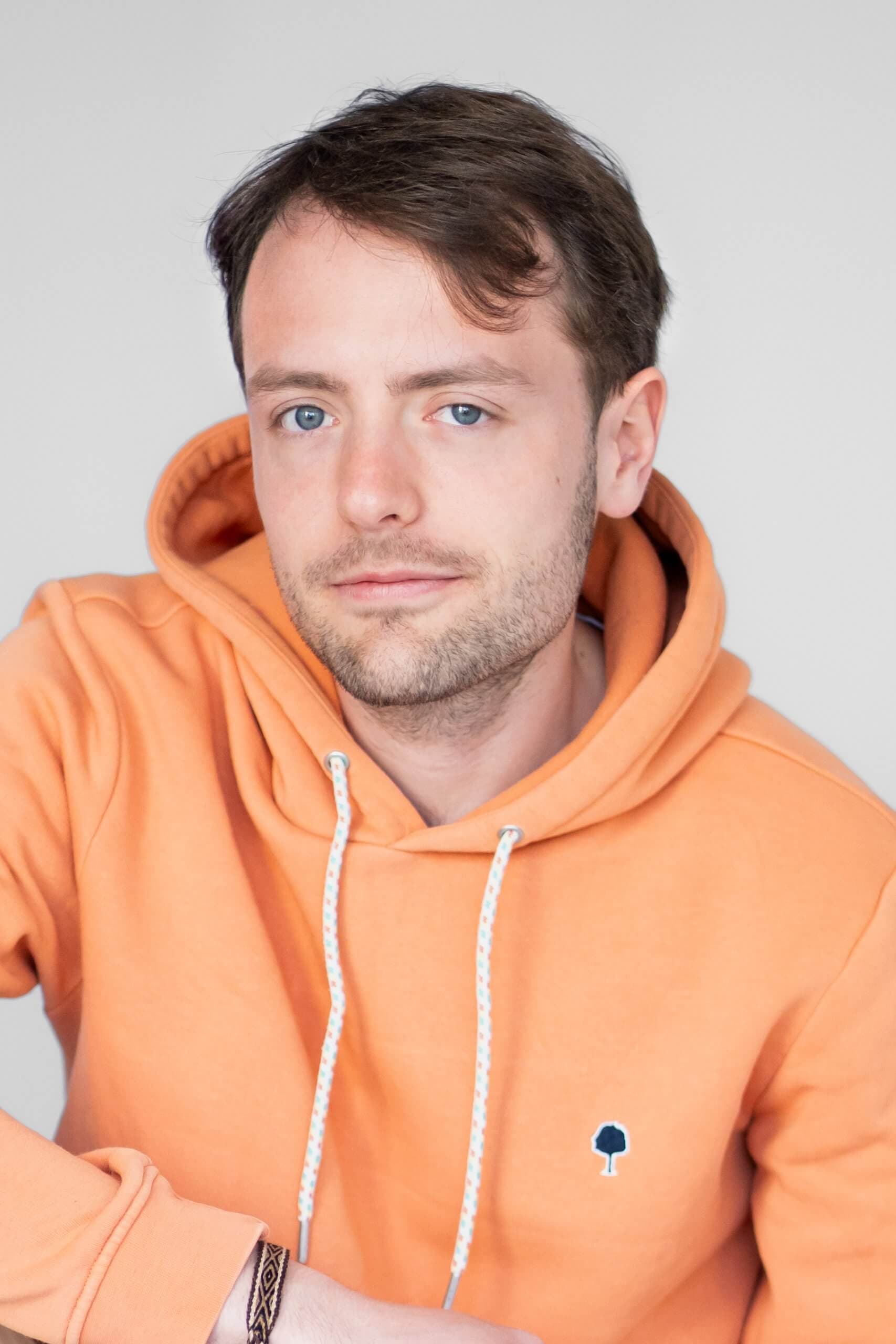
Imagine, understand, build. When I look back at my path, those are probably the three words that come up most often. Long before Arkone was created.
01 · My path
I grew up in a family of entrepreneurs, with a father and grandparents who ran their own businesses, and a mother with a particularly logical, mathematical mind. Two worlds that, looking back, complement each other rather well.
As a child, I could spend hours building cities out of Kapla blocks, imagining worlds in Minecraft or dreaming up more or less feasible inventions with a friend.
I wanted to be, in turn, a president, an athlete, a chef, a soldier or a business owner. Very different jobs, with one thing in common: the urge to act, to create and to have an influence on the world around me. I don’t think that urge has ever left me.
I first chose cooking. What I loved was starting from a few ingredients, experimenting and creating something completely different.
But I quickly realised that what really excited me was not so much the execution as the thinking that comes before it. The very hierarchical world of professional kitchens wasn’t for me.
So, engineering school. I liked mathematics, not for its certain answers, but for the path that leads to them: starting from a problem, making hypotheses, getting it wrong, starting again, finding another approach. And finally, finding a solution. That is still a big part of my job today.
Two projects stood out during my studies. A connected locker system, which earned us second place in a student competition. And a SimCity-style city-building game, developed in one month with Valentin Buisson.
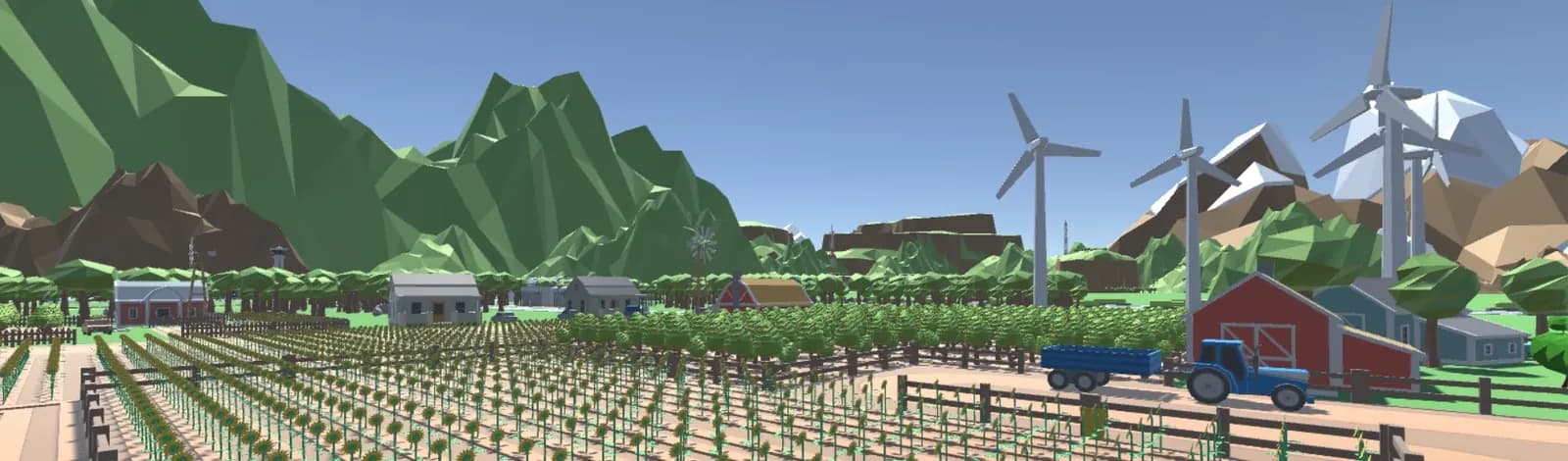
That second project above all made me realise what we could achieve together: two ways of thinking, complementary skills, and the same drive to push things further. A few years later, that complementarity gave birth to Arkone.
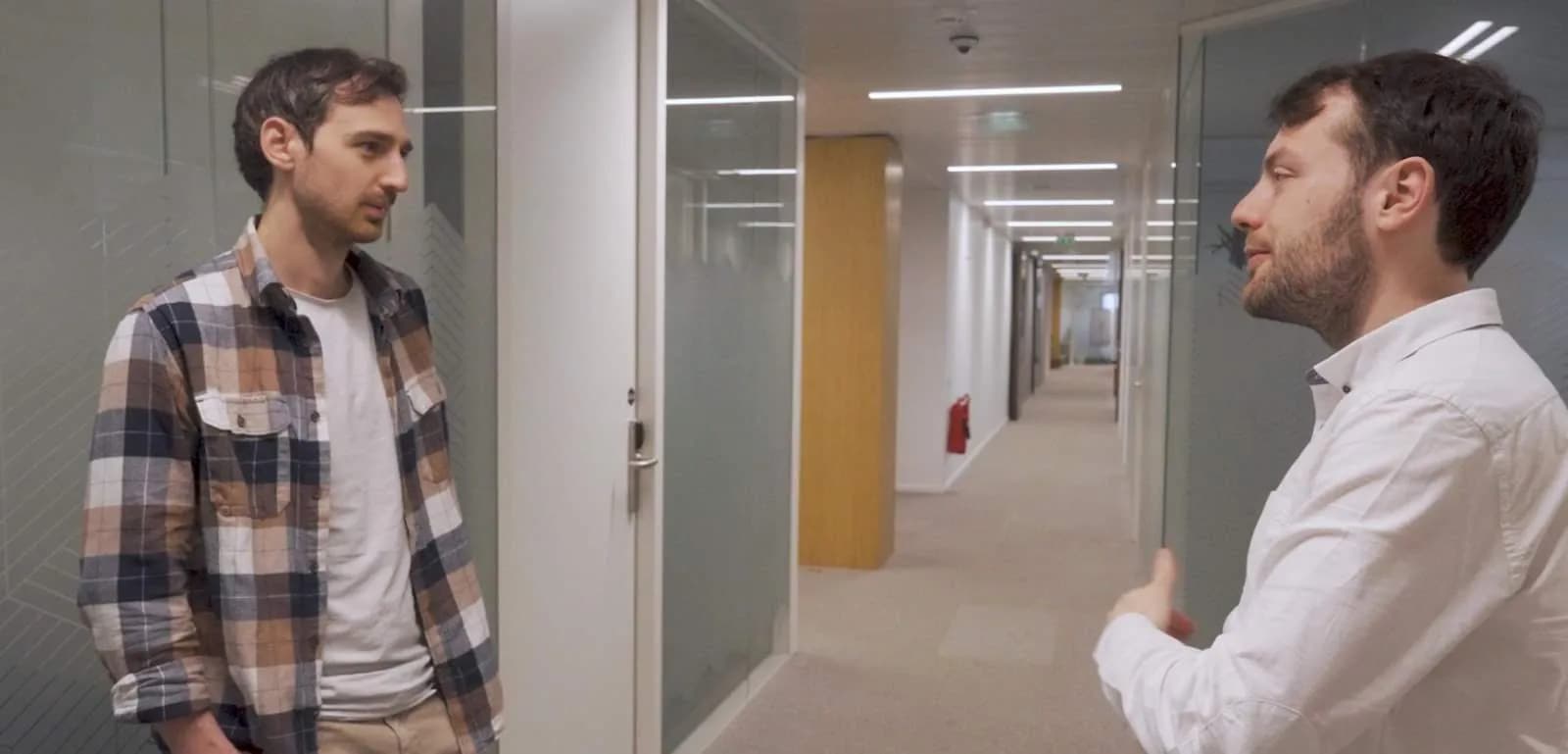
Valentin has a perseverance in technical research that I don’t have. When a problem resists, he digs until he finds the answer. And he has a real passion for launching new technical things, testing, exploring what doesn’t exist yet.
We complement each other almost as opposites. I like to structure a project, lay the foundations, then correct and refine. Long stretches of development, on the other hand, bore me quickly. For Valentin, it’s the other way round.
That’s probably why our partnership works: each of us takes over where the other runs out of patience. On my own, I would never have built Arkone.
During an internship at Suez, in New Zealand, I questioned my relationship with work a lot.
I didn’t just want to trade forty hours of my life every week for a salary. I needed to understand why I was working, for whom, and to see the concrete results of what I was doing. I also needed to be able to question things.
Creating Arkone with Valentin in 2021 meant choosing our own path, with the risks, the difficulties and the responsibilities, but also the freedom that comes with it. Entrepreneurship is no smooth ride. But that freedom to imagine what tomorrow will look like remains one of my main motivations.
02 · My job
My role sits at the crossroads of several disciplines:
If I had to sum it up in one sentence: turning human problems into digital solutions.
Our clients know their business, their constraints and their environment. Our job is to understand that reality and translate it into a product that works, that explains itself and that brings real value every day. Sometimes that means questioning the very idea the client came to us with.
03 · Convictions
They have often identified a problem, imagined an answer, and come to us to build it. Part of our responsibility is to check that the answer is the right one.
Adding a feature is one thing. Designing a product people use naturally, without training or explanations, is another.
I would rather help a client gradually build a coherent product than sell them an oversized solution straight away.
An app can be technically remarkable and still be useless. What interests me is what it changes for the people who use it.
Designing a product isn’t only imagining how it works when everything goes well. It’s also planning for what happens when everything goes wrong.
Keeping our promises to users. When we build a project for a client, I make sure nothing is illogical: no behaviour that contradicts what was announced, no surprise for the person using it.
Respecting people’s habits. A behaviour that isn’t intuitive, that goes against what everyone is used to doing, is almost unbearable to me. Users should never have to wonder how something works.
I love the journey. I have a passion for sketches, for projects that are starting to take shape.
The stage I love most is the prototype. You can still see the imperfections, but it’s often the most honest phase: the one where there are still personal references, private jokes, mistakes, blunders.
I love things that are alive.
I love websites that let a personality, a story, shine through. When you land on a site, I like to feel there is a soul behind it.
It’s like a flat, a creation, or even a copy of something: you have to put something of yourself into it for it to mean anything.
I like our projects not to be perfect, as long as they are us.
Start with the big picture, then move to the details. That’s probably the mistake that taught me the most. My painting lessons helped a lot: you don’t start a painting with a detail, you lay down the whole first.
Understand before you code. You need to understand the sector, the challenges and the company before diving into the technical side. A good solution for one company isn’t necessarily good for another.
Question AI rather than believe it. AI often gets a project’s architecture wrong: it suggests the solution that suits the largest number of projects, not the one that suits this one. To use it well, you have to question it, challenge it, and use it to push your thinking further.
There are no stupid questions.
I have radically changed my mind on three things: AI, how to work effectively with a client, and the importance of collaboration. In 2021, we wanted to do everything ourselves. Today, I know the best projects are born when you build with others.
A portrait that only talks about strengths isn’t very credible, so let’s be honest. Meetings and negotiation are not my favourite things. And I struggle when I have no autonomy over decisions or over the direction of a project. That’s probably also why I created Arkone.
04 · The blog
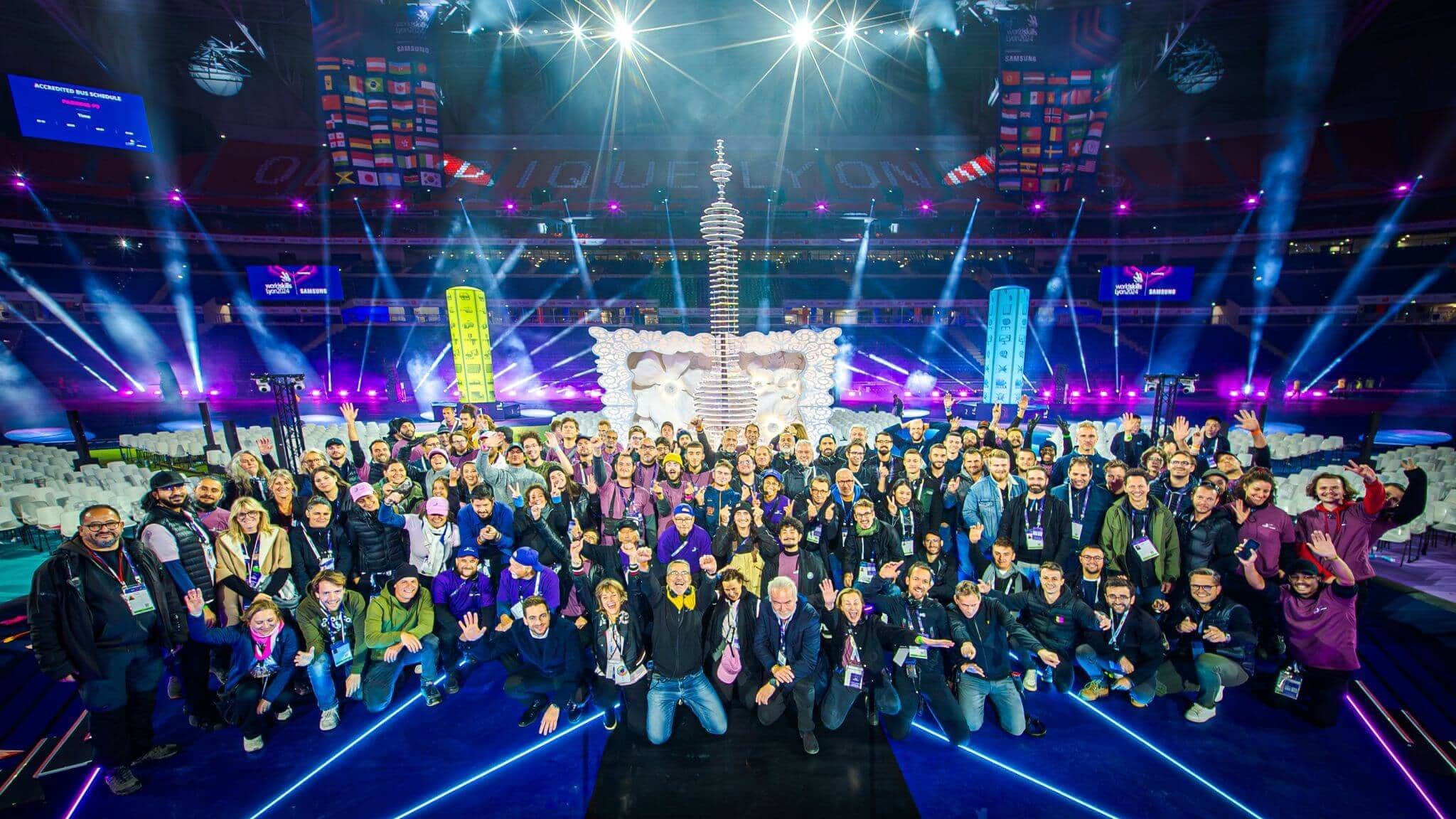 26 November 2026 · DevelopmentWorldSkills Lyon 2024: when the Wi-Fi fails, plans B and C become essential
 17 June 2026 · DevelopmentAI and the web: what really changes (and what doesn’t)
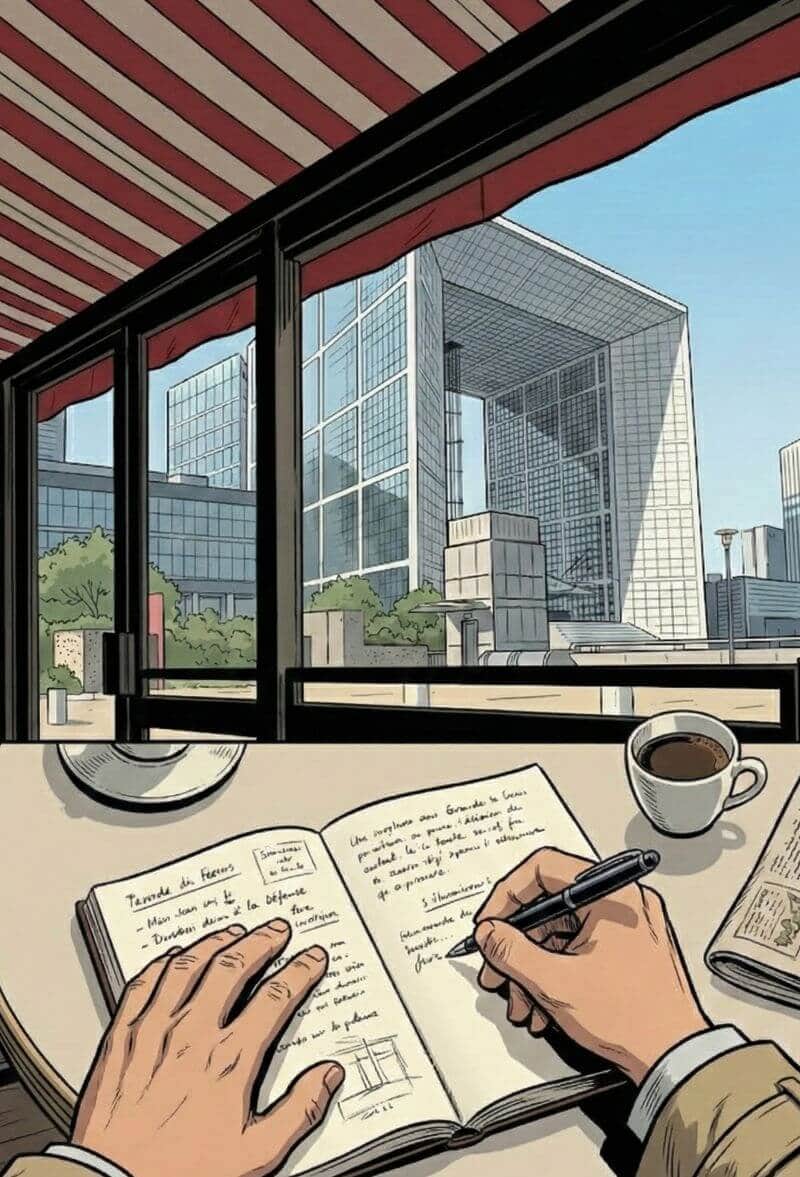 2 January 2026 · Development2025 Retrospective: A Year of Web & Mobile Innovation
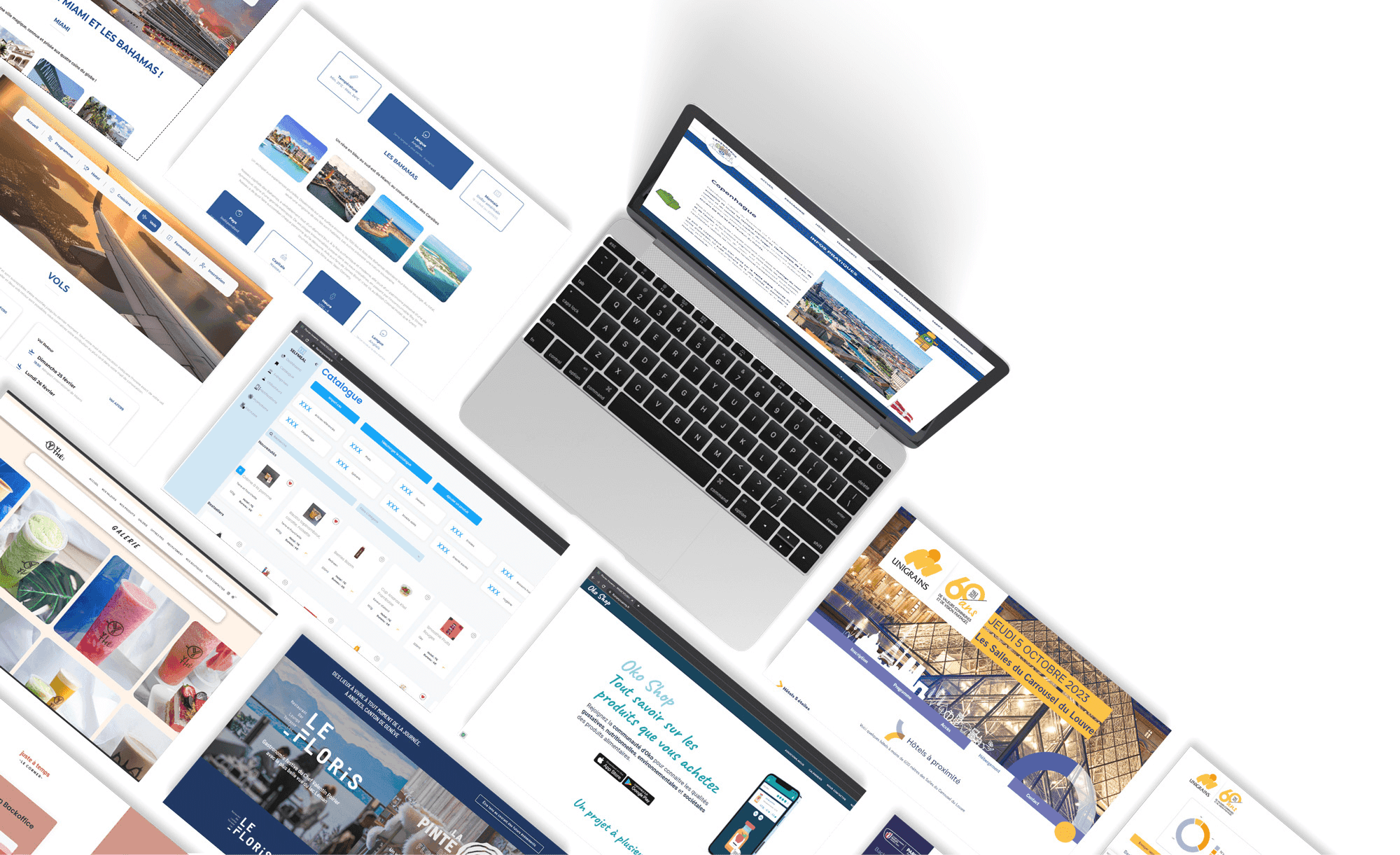 18 December 2025 · DevelopmentWhat is a custom business application?
 7 November 2025 · TeamWhy We Develop 100% in France
 7 November 2025 · TeamOur Approach: Blending Technical Expertise with Human Connection
 7 November 2025 · TeamDiscover the history of our web agency
 27 October 2025 · DesignDo we build products for ourselves first?
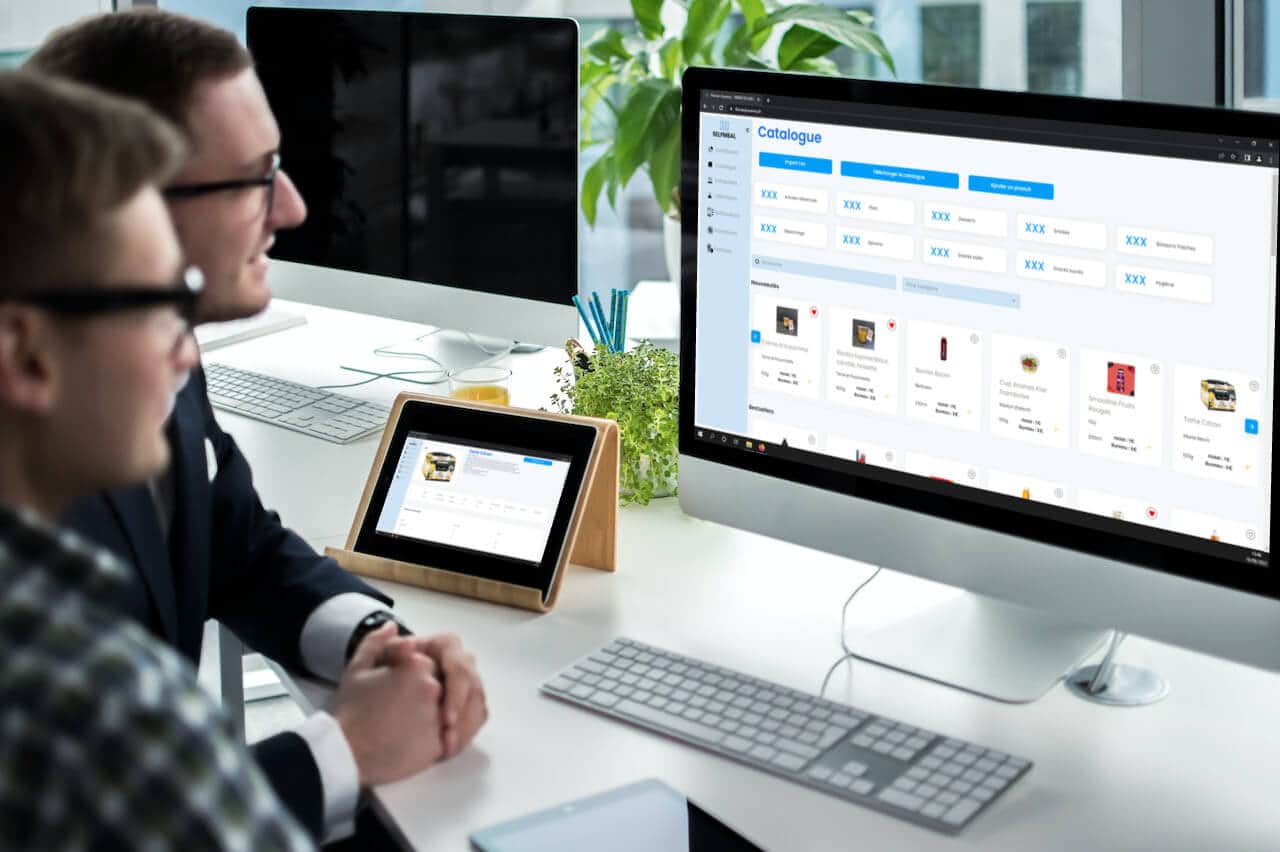 10 March 2026 · EntrepreneurshipLaunching an MVP quickly | Startup MVP development - Arkone
 27 November 2025 · SeasonSeason 4 — 2024 – 2025
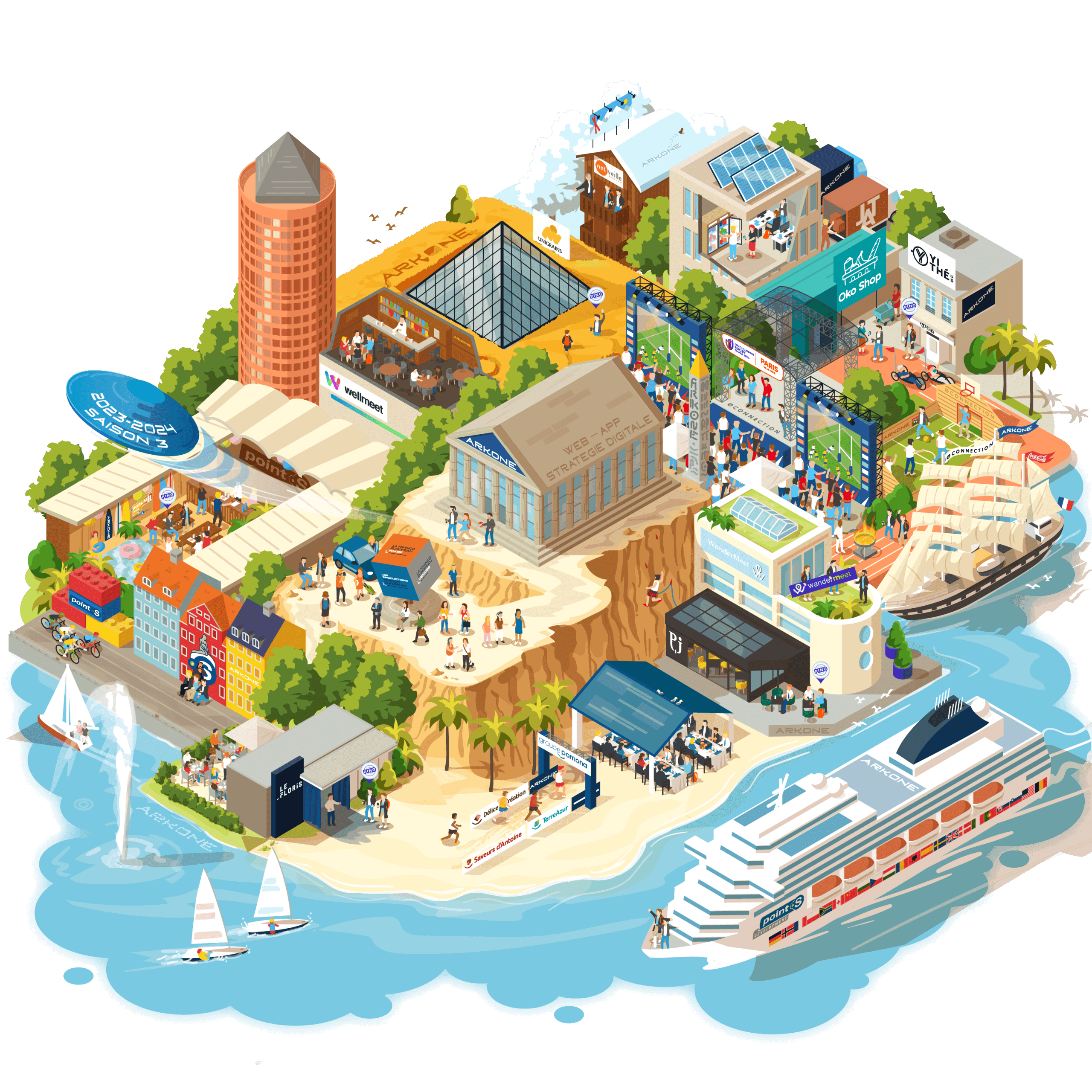 18 November 2025 · SeasonSeason 3 — 2023 → 2024
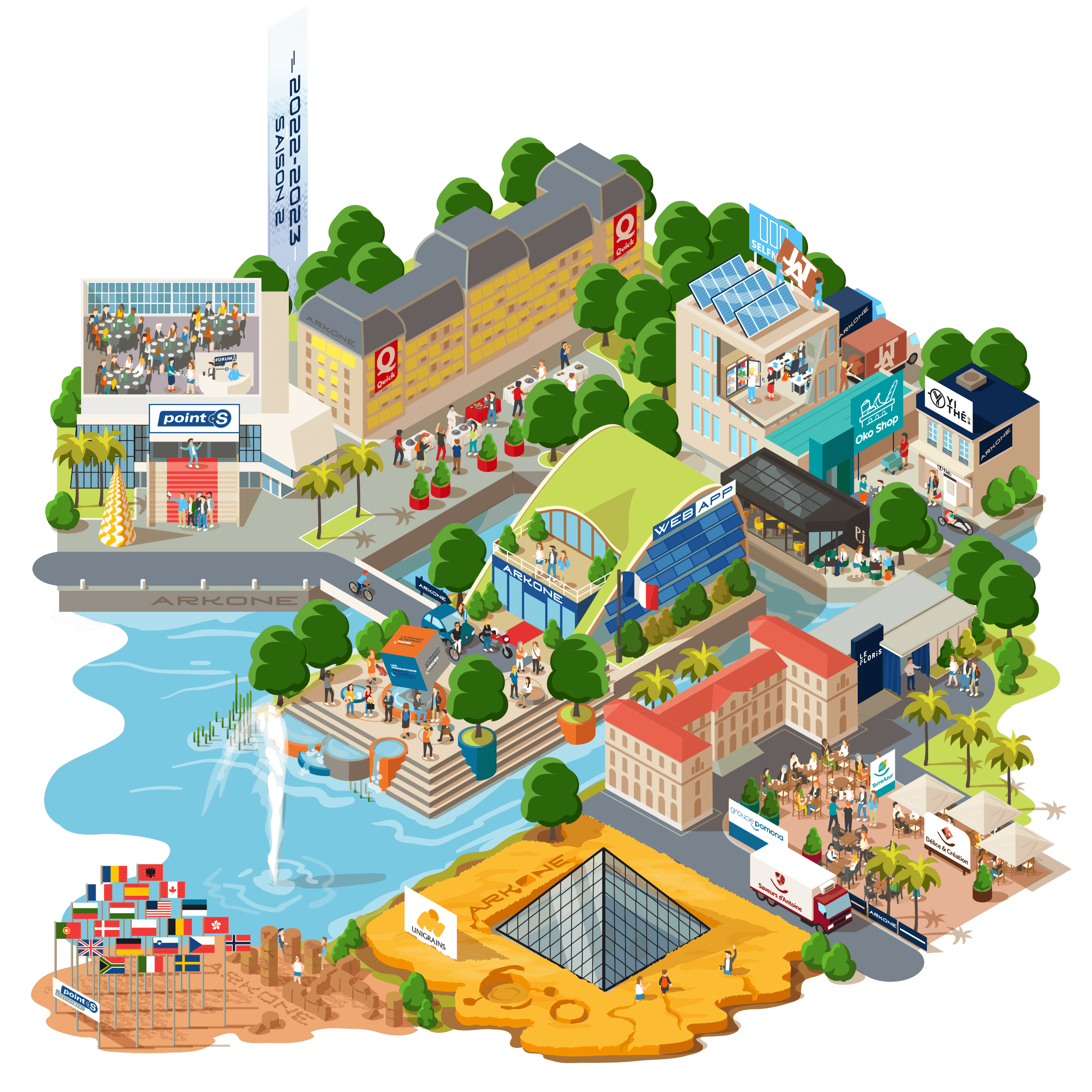 17 November 2025 · SeasonSeason 2 — 2022 – 2023
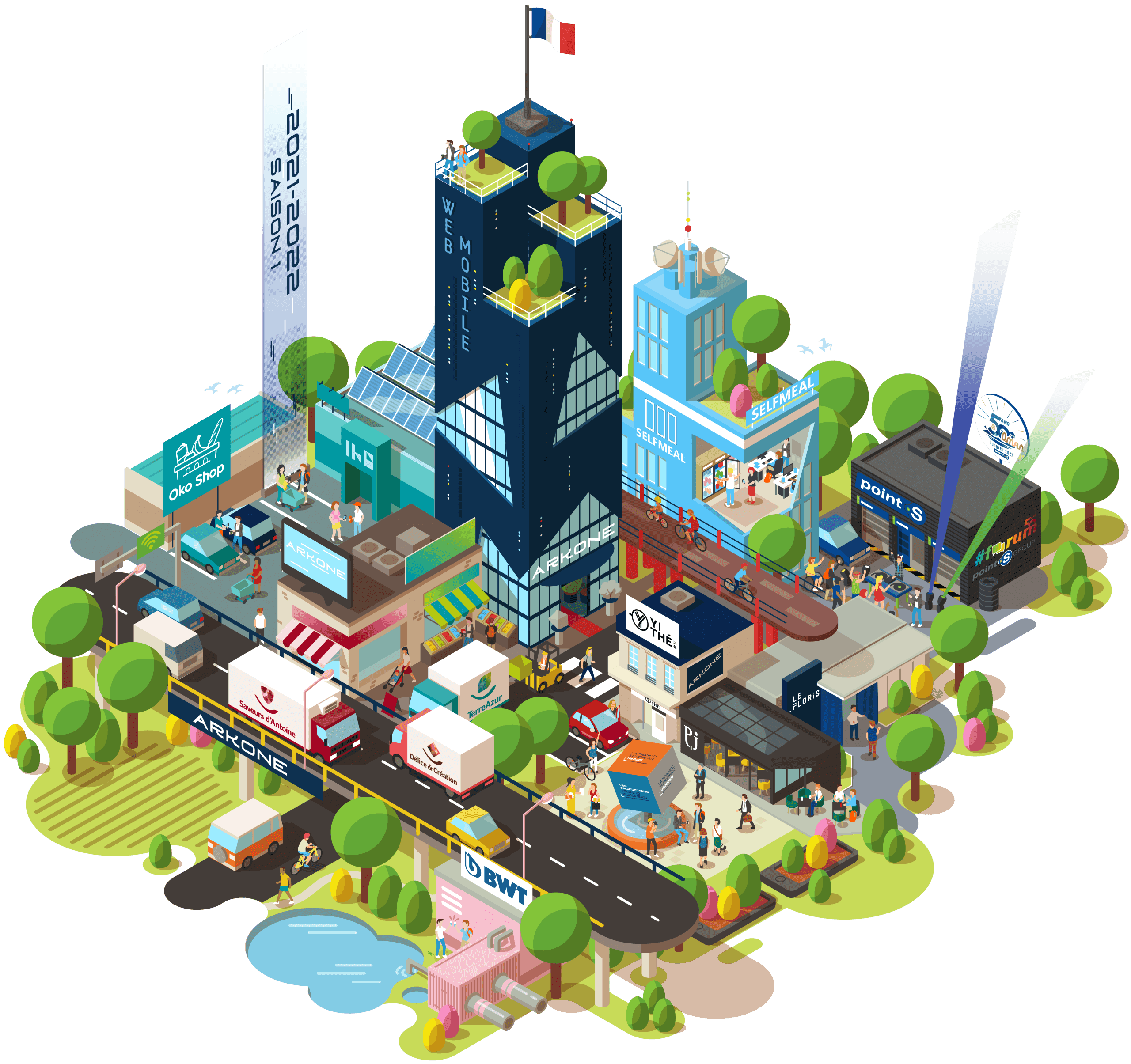 15 November 2025 · SeasonSeason 1 — 2021 – 2022
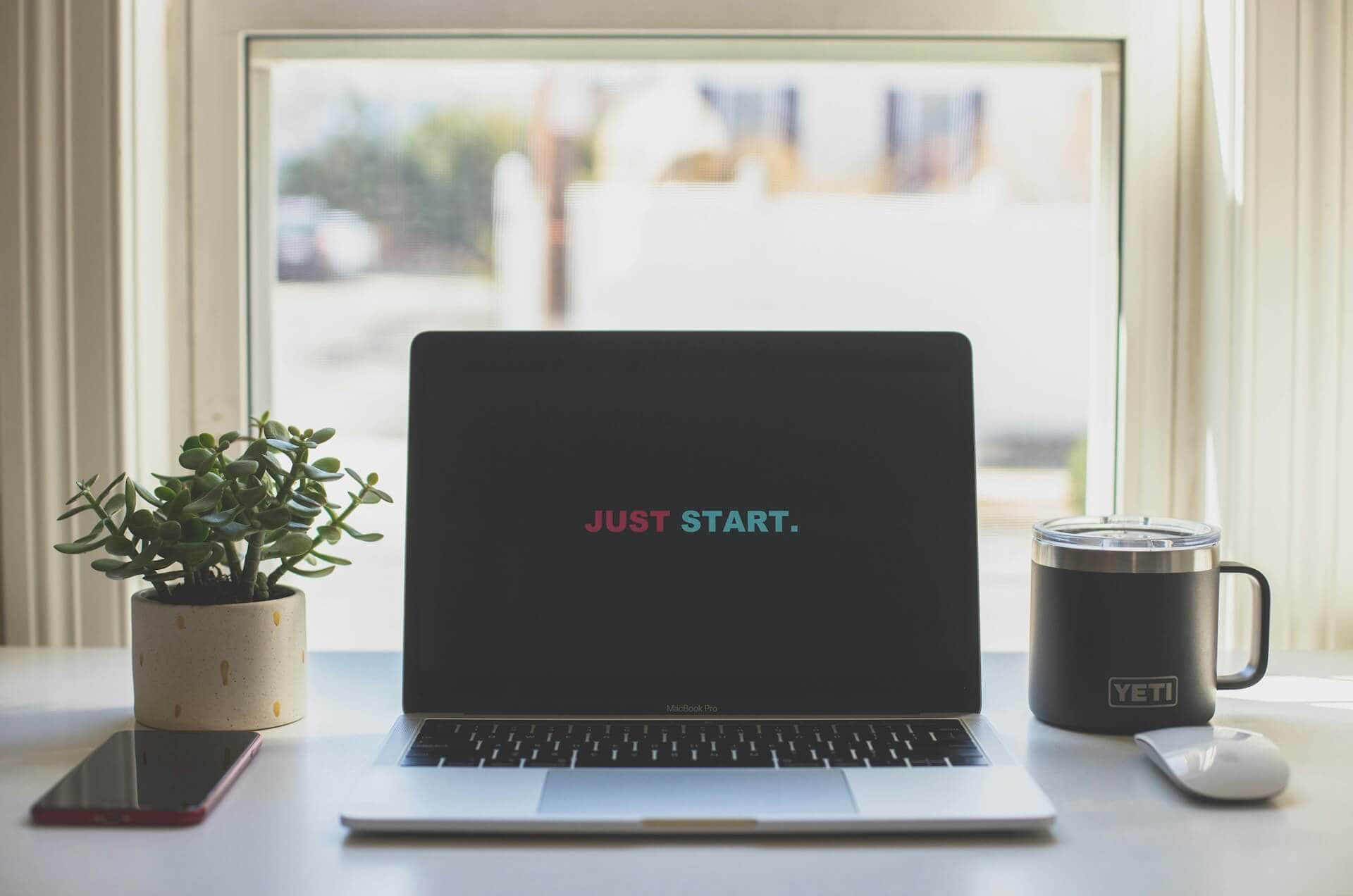 17 October 2025 · EntrepreneurshipStarting a New Project
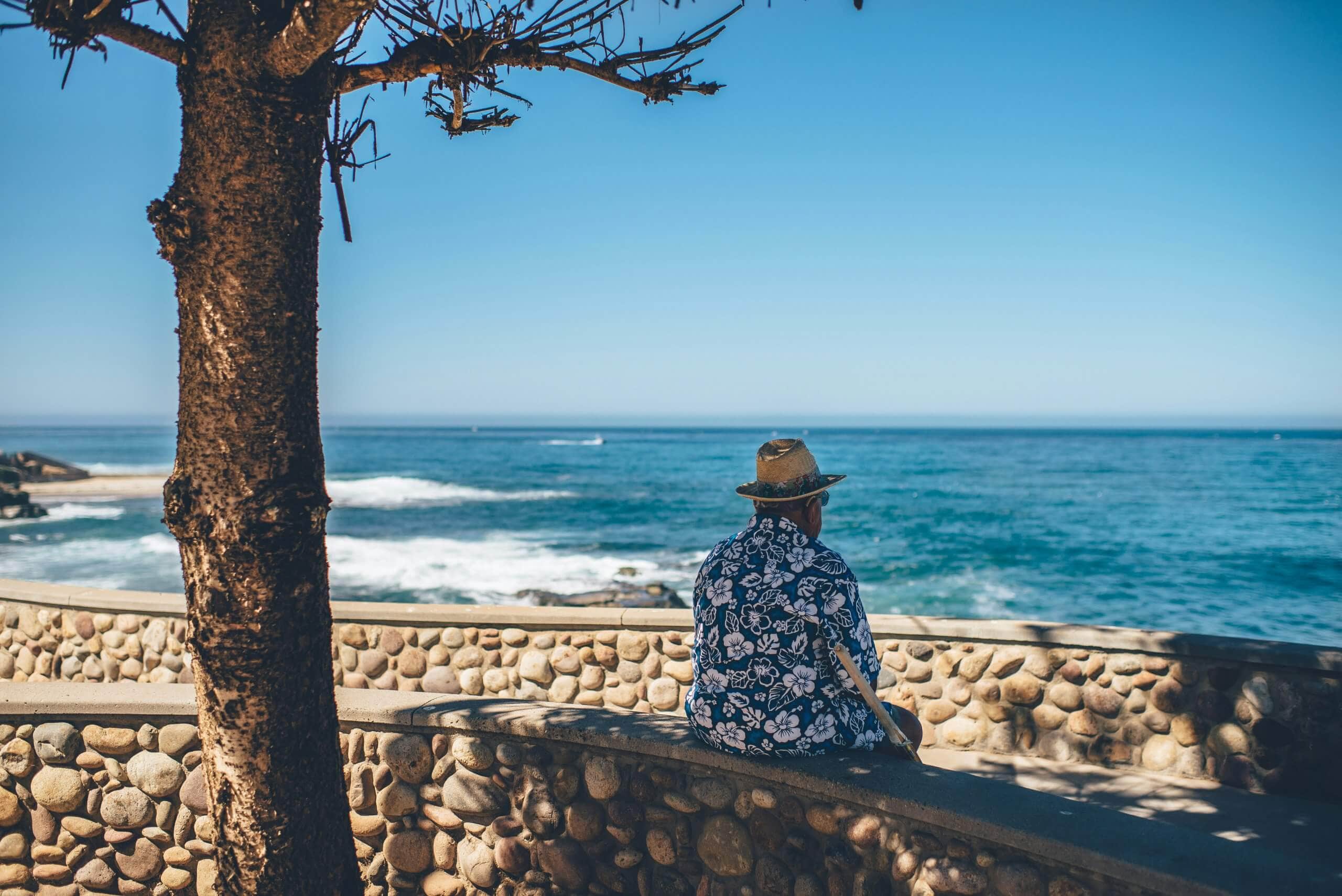 13 October 2025 · EntrepreneurshipThe brain abhors a vacuum
05 · Beyond work
I want us to work in an environment that is pleasant, funny, good-natured and stimulating. We spend too much time at work for it not to be a pleasure, and we always do things better when we enjoy doing them.
I like understanding why some things work, why some works of art move us, why we make certain decisions. That curiosity feeds my work: good ideas often come from links between worlds that seem to have nothing in common.
I don’t just want to grow a development company. I’d like Arkone to remain a place where we can think, experiment, create, learn, make mistakes, and build things we are proud of. A company that keeps its freedom of thought, its closeness to its clients, its high standards and its ability to question its own certainties.
What excites me is not so much technology as what it allows us to bring into existence.