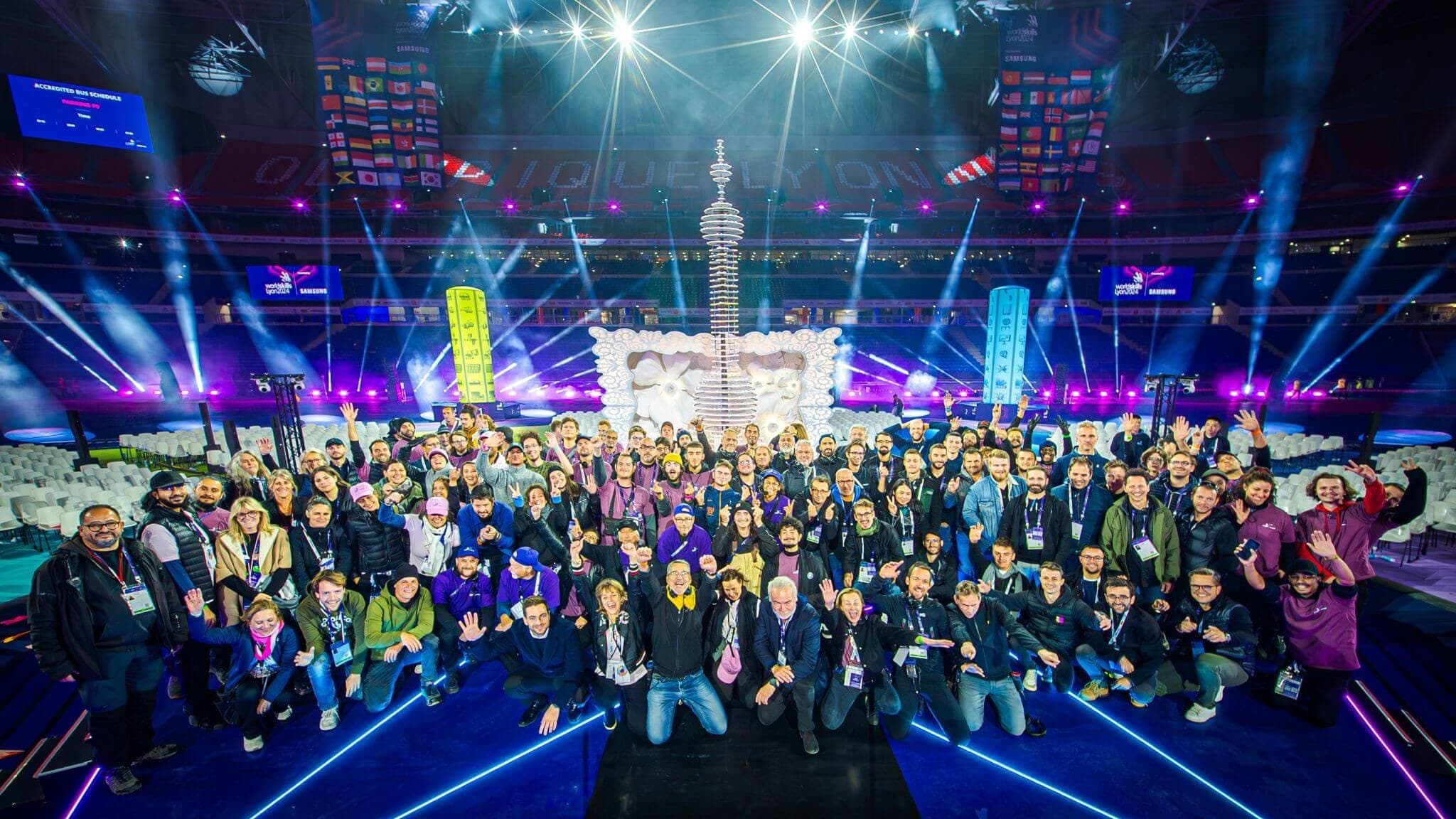
WorldSkills Lyon 2024: the day our plans B and C came into play
A digital system can work perfectly in development and still run into trouble once it is out in the field. Those are exactly the moments we plan fallback solutions for.
In September 2024, Lyon hosted the WorldSkills world skills competition: nearly 1,400 competitors and 59 skills in official competition.
For the closing ceremony, we worked on a system designed to help the organising teams manage the ceremony sequences and the results.
The principle: give the teams, on tablets, the information matching their role and their position in the set-up.
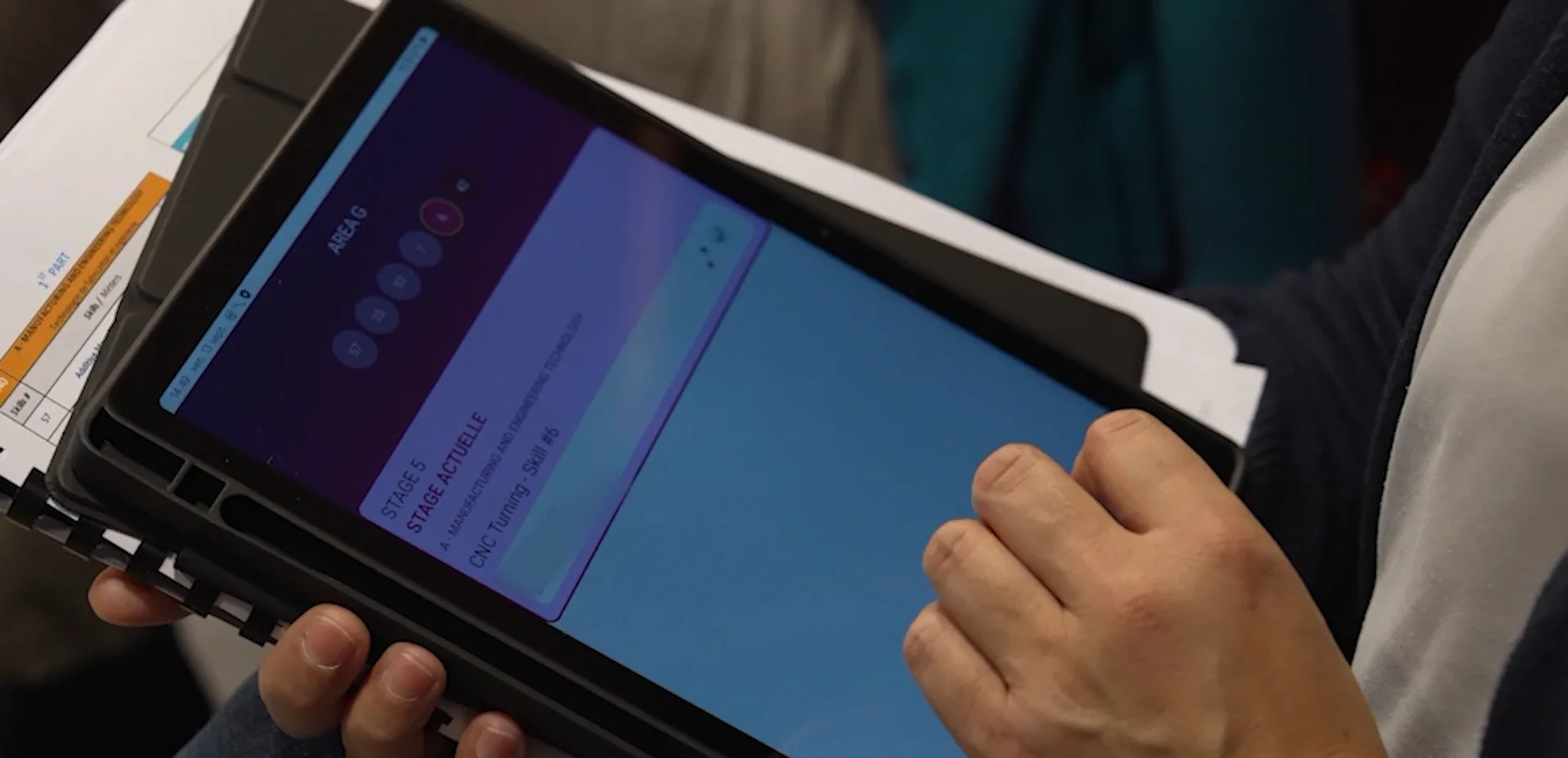
Depending on the person, they needed to identify the winners involved in the current sequence, where they were seated or when they went on stage.
From the control room, I ran the display of the sequences and their timing, to keep everyone's information in sync.
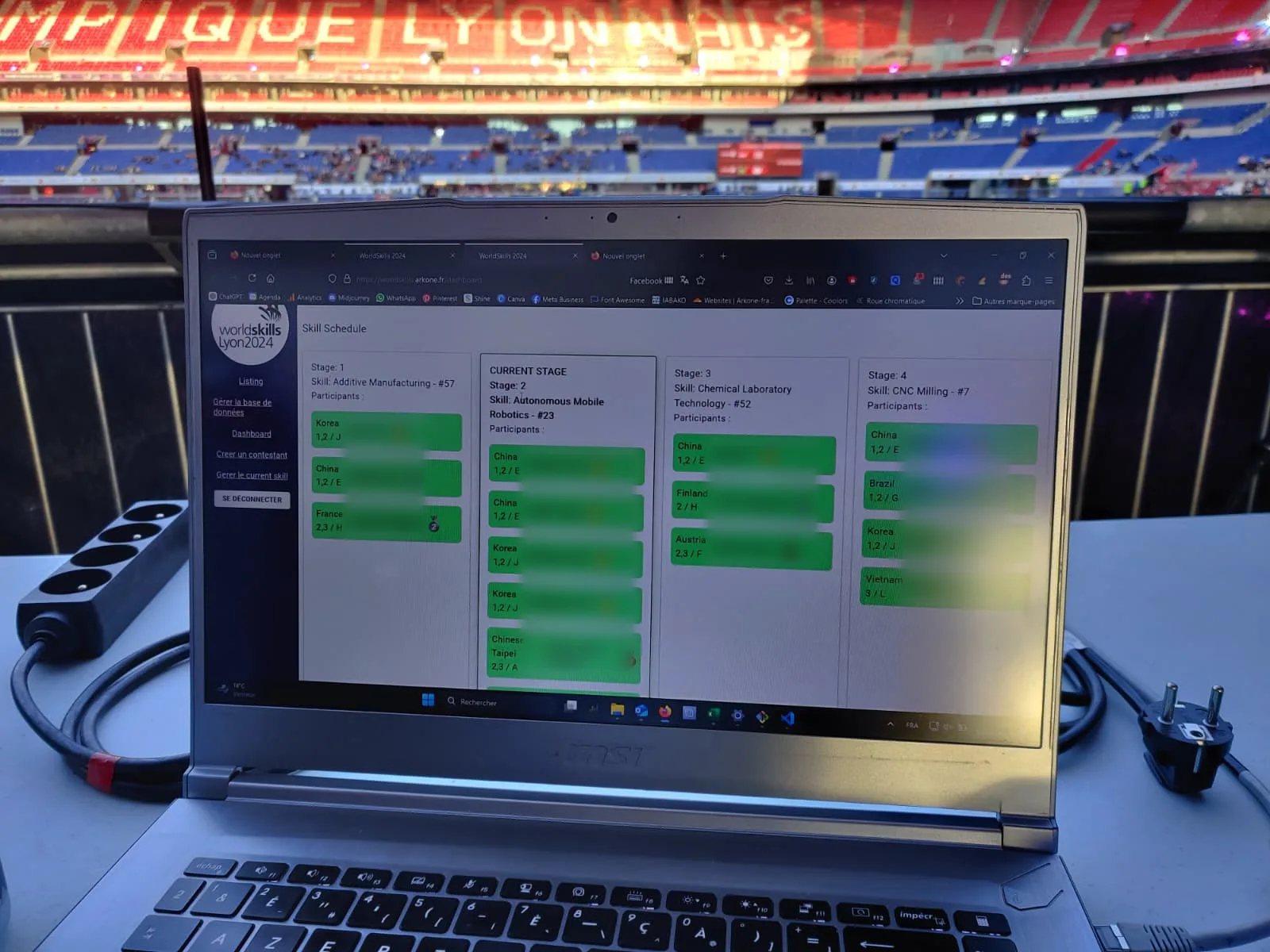
One hour to load the final data
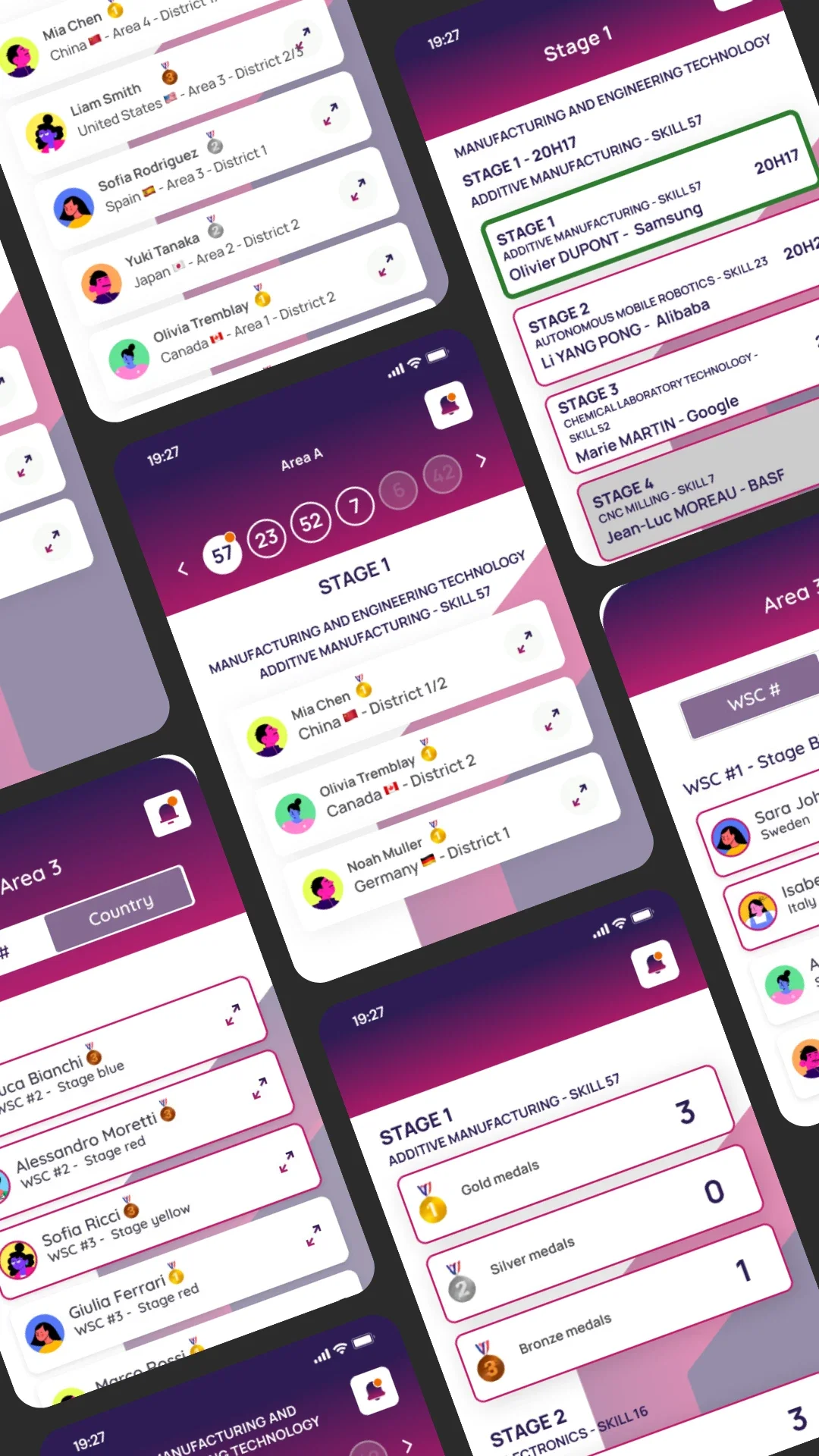
The results were only available about an hour before the ceremony.
So the tablets had to be updated in a very short time, and the teams had to be able to reach the information at the right moment.
We had planned several layers of safety.
Normal operation: each tablet fetched the information it needed from the server.
Plan B: a button pre-downloaded all the results. If the connection dropped, the app could switch to offline mode automatically and keep showing the sequences.
Plan C: a script also generated backup lists for each zone, giving us an alternative that did not depend on the tablets at all.
These solutions were not meant to be used every time. They were there so that a connection problem would not cut the teams off from the information.
And then the problems arrived
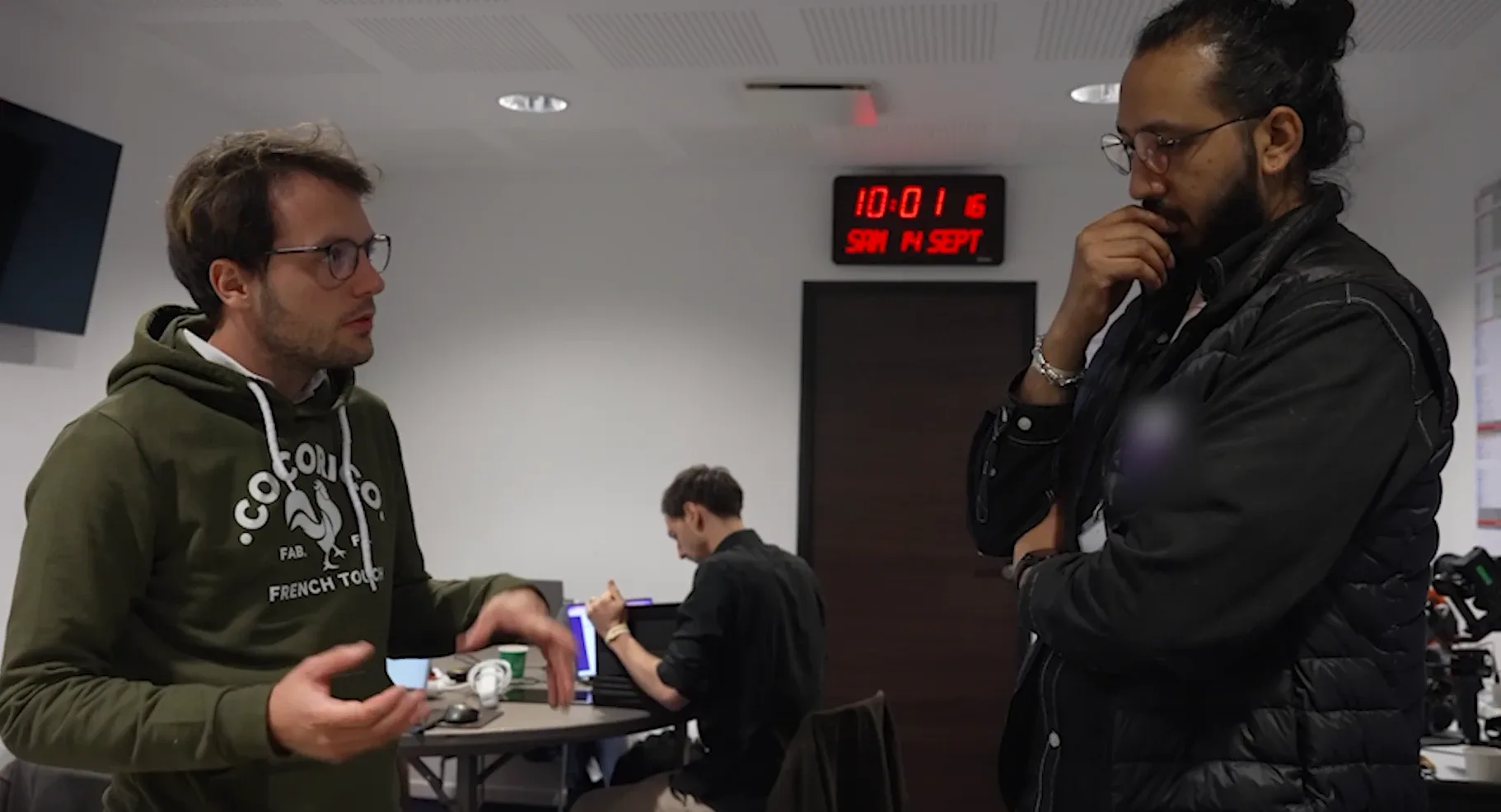
Despite the arrangements made for Wi-Fi coverage, one zone had no coverage at all.
In another, the connection was very unstable. The tablets kept connecting and disconnecting, which triggered a behaviour we had not properly anticipated in the app.
So our system faced two different situations: no network at all, and an intermittent connection.
That is exactly where the fallback solutions mattered.
Offline mode solved some of the difficulties, and the backup lists were used too.
Our plans B and C were no longer theoretical precautions: they had become operational tools.
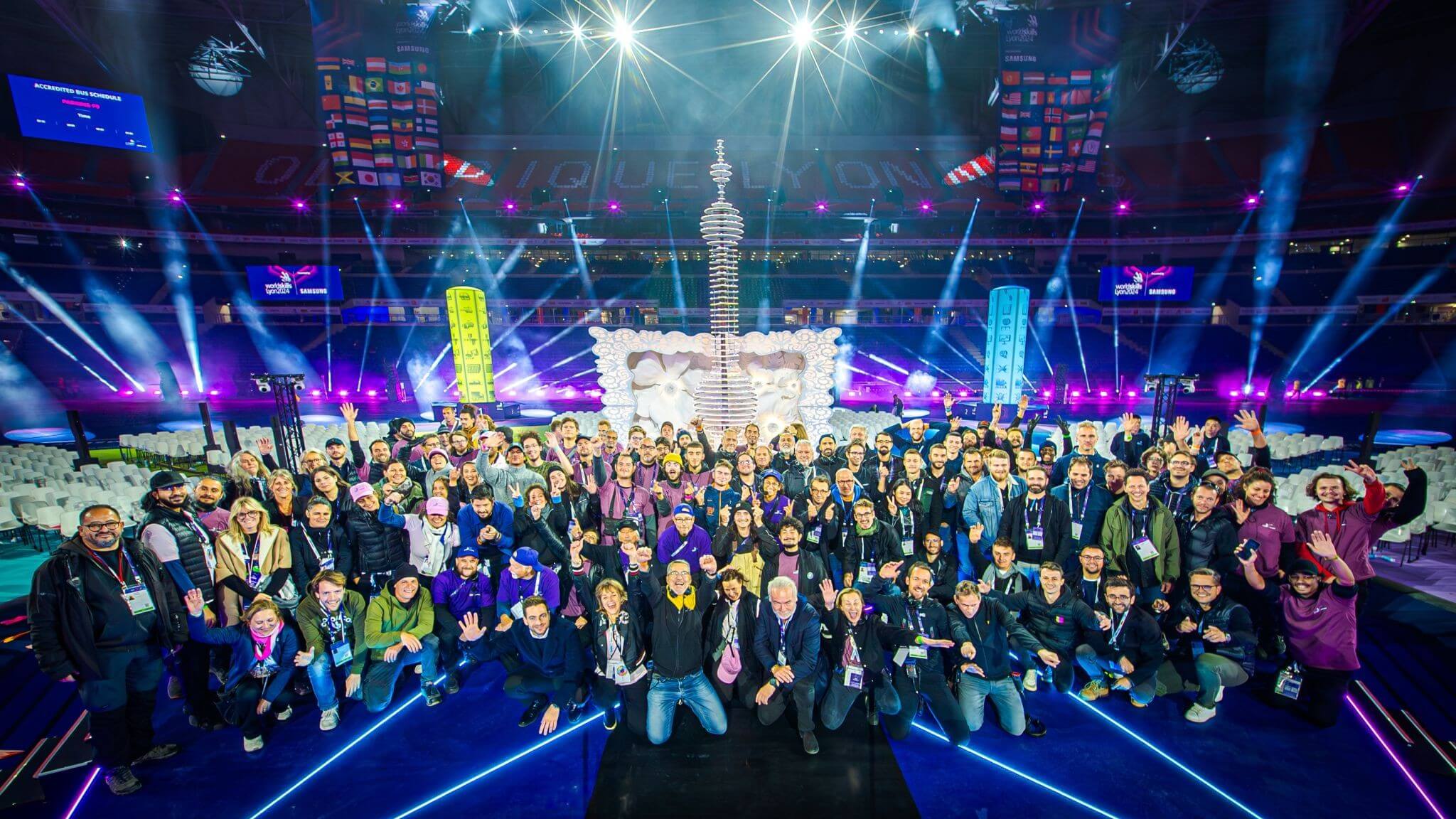
WorldSkills Lyon 2024, photo Your Wolf Agency.
What we took away from it
The most interesting lesson from this experience is not that we had planned for everything.
That would be untrue.
We had anticipated a disconnection, but not enough the case of a network that keeps dropping in and out.
On the other hand, we had thought about several ways to keep access to the essential information.
A tool's reliability does not rest only on the absence of bugs. It also rests on its ability to cope with the unexpected.
It is a lesson we keep in the way we design apps and platforms meant to run in demanding operational conditions, including our digital solutions for events.
And it is probably one of the differences between building a tool that works in a demo and building a system teams can rely on when the day comes.